
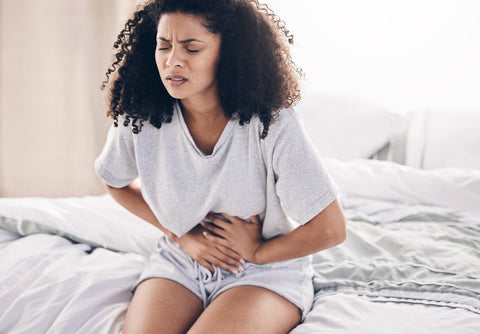
PMS is caused by fluctuations in oestrogen and progesterone in the second half of your cycle. Regular exercise, good sleep, less stress and a diet that includes protein, fibre and magnesium can help reduce the symptoms. If your symptoms limit you in daily life, talk to your doctor.
Every month, here it comes again. You feel bloated, irritable and have an uncontrollable craving for chocolate. Welcome to the wonderful world of PMS! Premenstrual syndrome (PMS) affects a huge number of women and causes both physical and mental symptoms. But here's the good news: you are not at the mercy of your hormones! With the right lifestyle, nutrition and support, you can significantly reduce PMS symptoms. How? Read on!
What is PMS and why do we get it?
PMS develops in the second half of your cycle, after ovulation. Oestrogen and progesterone fluctuate, and that affects your mood, your energy and your body. Some women only experience mild symptoms, while others drag themselves through a rollercoaster of emotions and physical discomfort every single month. Symptoms can include:
Mood swings and irritability
Fatigue and a bloated feeling
Tender breasts and headaches
Uncontrollable cravings for sugar and salt
Poor sleep
Fortunately, there are countless ways to support your cycle better and reduce PMS symptoms.
The impact of your lifestyle
Your lifestyle has an enormous impact on your hormones. By making conscious choices, you can make your cycle run much more smoothly. Think of:
Regular exercise: Working out helps reduce stress and stimulates the production of feel-good hormones such as serotonin.
Getting enough sleep: A good night's rest helps your body recover and supports a stable hormone balance.
Stress management: Mindfulness, breathing exercises and relaxation techniques reduce the impact of stress on your body.
But perhaps the most powerful factor of all? Nutrition! What you eat determines how your body responds to hormonal fluctuations.
Nutrition as a weapon against PMS
Many women reach for sugar and fast carbs during PMS, but that often makes the problem worse. It's better to support your body with the right nutrients:
Magnesium: Helps you relax and reduces irritability. Found in nuts, seeds and dark chocolate.
Vitamin B6: Supports your hormones and helps reduce mood swings. Found in chicken, fish and bananas.
Omega-3 fatty acids: Have an anti-inflammatory effect and support your brain function. Found in oily fish and linseed.
Protein and fibre: Stabilise your blood sugar levels, so you suffer less from cravings and energy dips.
How the Killerbody Food app can help you
We get that it isn't always easy to eat the right food every day, especially when you're dealing with PMS. That's why the Killerbody Food app includes a selection of recipes that help keep your hormones in balance. With nutritious, easy and delicious meals full of protein, healthy fats and important micronutrients, you make sure your body is optimally supported – without falling into the sugar trap.
Want to support your cycle better with nutrition? Download the Killerbody Food app and discover how to reduce PMS symptoms with the right food. That way you stay in control of your hormones – month after month!
Read more about your cycle and hormones
- The difference between PMS and premenopause
- How your cycle affects your appetite
- How the menstrual cycle affects weight and training
- Perimenopause guide: symptoms, nutrition and weight loss
Frequently asked questions about PMS
What helps with PMS?
Regular exercise, enough sleep, reducing stress and a diet with protein, fibre and nutrients such as magnesium and vitamin B6 can help reduce symptoms.
When does PMS start?
PMS usually starts after ovulation, in the second half of your cycle, and often disappears around or shortly after the start of your period.
Is PMS the same as premenopause?
No. With PMS, symptoms mainly occur in the days before your period. During premenopause, symptoms can occur throughout the whole month. Read about the difference in PMS or premenopause.
When should I see my doctor?
If your symptoms seriously limit your daily life, work or relationships, or if you feel very low. In that case, talk to your doctor.
Sources
- Yonkers, K. A., O'Brien, P. M., & Eriksson, E. (2008). Premenstrual syndrome. The Lancet, 371(9619), 1200-1210.
- Fathizadeh, N., et al. (2010). Evaluating the effect of magnesium and magnesium plus vitamin B6 supplement on the severity of premenstrual syndrome. Iranian Journal of Nursing and Midwifery Research, 15(Suppl 1), 401-405.