
Losing weight through simple lifestyle tweaks: let your body work for you
"Losing weight" is a loaded term these days; we prefer to talk about a "healthy lifestyle" or "being in balance." But the facts don't lie: more people than ever before are struggling with overweight, and the search volume for the word "losing weight" has never been higher. Yet, we hardly change our habits. We often resort to quick fixes like our best-selling Killerbody weight loss shake package for a holiday or photoshoot, only to end up in that old vicious cycle again.
Losing weight with shakes or a diet is ideal for a flying start and quick results, but I also want to help you adapt your lifestyle in the long term. I have some simple, immediately applicable tips that I know work. It just takes some getting used to at first.
The science of meal times
The old rule of eating 4 to 6 times a day is outdated. Every time you eat, you get a spike in your blood sugar. Your body has to break this down again by producing insulin.
Insulin is a fat-storage hormone. As long as your insulin levels are high due to constant eating, your body blocks access to your fat reserves. By eating less frequently, you keep your insulin levels low and give your body the chance to burn stored fat.
That's why I switched to 3 or sometimes 2 meals a day, without snacks. I eat nutritiously and almost never experience cravings anymore. Only around day 25 to 28 of my cycle do I sometimes notice more cravings, but honestly, now that I think about it, not since I started taking Menstrual Cycle Balance . My PMS symptoms are also gone (Coen, please stop holding your breath). I'm not a pill-taker, so I only use our Menstrual Cycle Balance for a maximum of 8 days during PMS.
The Gamechanger: Fasting (Intermittent Fasting)
The biggest gamechanger for me is fasting. That was less easy at first, about 2.5 years ago, but now it's completely natural. Why is it difficult at first? Your body gets energy from sugars, and when the sugars run out, you get a hunger signal. By fasting structurally, you teach your body to switch to burning fat, and there's plenty of that, so you no longer experience hunger.
As soon as you no longer feel hungry after 16 hours of fasting, you know your body has switched to accessing fat reserves. It uses ketones as an energy source instead of sugars. This is not only good for getting leaner but also for your brain.
Ketones are a much more efficient fuel for the brain than glucose. They reduce "brain fog," improve focus, and protect neurons from aging, leading to greater mental clarity.
For the first two years, I used the Zero timer on my phone to track my fasting hours, but now I fast by feel. If it doesn't work one day, I don't force anything; then I know I'm not in fat-burning mode. Fasting purely on willpower while ravenous with hunger is impossible and also makes little sense, except that you consume fewer calories.
Testing with ketostrips and red wine
I did a lot of testing with ketostrips. They were my friend for two years, and now I know by heart exactly when I'm in deep ketosis and how I get out of it. For example, I tested with a glass of red wine; with one glass, I stayed in, but with two glasses, I was out immediately. Now I simply know how deep I am in ketosis without having to test every day.
The key lies in your last meal before bed. If you keep it as low-carb as possible, you'll have higher ketosis in the morning. I don't strictly eat keto, but I often try to eat my first meal keto so I don't go out of ketosis yet. I only consume carbohydrates with the second meal; from that moment on, your body switches back to sugar burning. However, through fasting, you switch back every day. The longer you fast, the faster your body understands that it can access fat reserves.
Tips for fewer high sugar spikes:
Take a berberine supplement.
Simply take a spoon of apple cider vinegar before eating carbohydrates.
Strength training and menopause
When I recently shared my "before" photo for the 8-week challenge, many people asked what I still wanted to change. I look this way because I always exercise, but also because I am stricter a few times a year. From the age of 35, strength training is essential because your body loses 2% muscle mass per year if you don't do anything.
Muscles are metabolically active tissue; they burn significantly more energy at rest than fat tissue. Less muscle mass means a slower metabolism, causing you to gain weight while eating the same amount. This is often what women experience during menopause.
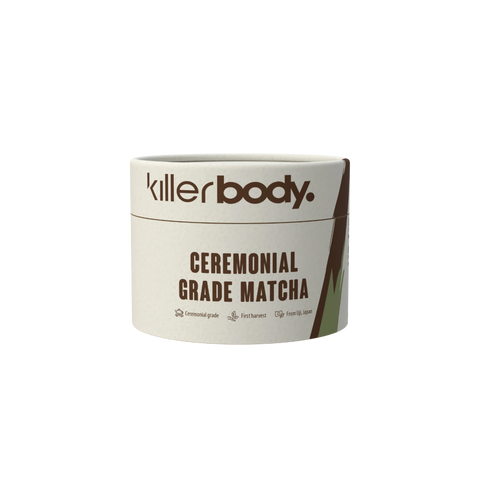
It is also outdated that you have to eat before training. If you are in ketosis, you are incredibly strong and have tons of energy. I start my day early with pure Matcha and water (green tea is known for its fat-burning properties and antioxidants). I train between 6:30 and 7:30 AM and only eat my first meal between 11:00 AM and 1:00 PM.
Cellular recovery
Since I started fasting, I no longer concern myself with what I eat (except at times like now during a challenge). Your body gets time to recover during fasting hours through autophagy.
Autophagy is your body's internal "cleanup system." Cells break down damaged proteins and old cell parts and recycle them. This slows down the aging process and strengthens the immune system.
In summary: get started
Adjust this, and your fat-burning engine will kick in without too many compromises.
Invest in ketostrips: They cost almost nothing, and you really get to know your body. You can pee on them a few times a day to see if you're in ketosis.
Listen to your body: Not hungry at all? Postpone eating for a little while.
Cycle: During PMS week (day 20 to 28), I fast for less time, often only 12 hours.
During the luteal phase, your body needs more nutrients and is more sensitive to stress. Fasting too strictly can then throw your hormones out of balance, so be gentler with yourself during this week.